How to Judge a Hand-Tied Fly Before You Stock It: A Quality Guide for Fly Shops
A fly bin is only as strong as its weakest dozen. Customers rarely complain about a fly that falls apart after two fish. They simply buy somewhere else next time. For a fly shop, choosing a fly supplier is a decision about returns, reputation and repeat sales, not just the price per dozen.
This guide covers what to check when a sample pack lands on your counter: the hook, the proportions, durability, materials, consistency across a dozen, and the questions worth asking any new supplier before you place an order.
Why Fly Quality Shows Up in Your Sales
A fly shop sells confidence as much as it sells flies. When a customer buys a dozen nymphs and loses half of them to unravelled bodies or bent hooks, the problem lands on your counter, not the supplier’s. Guides notice even faster, because they go through flies quickly and their clients fish them hard.
Cheap flies can end up being the expensive option. Flies that do not sell through, flies that come back as complaints, and customers who stop trusting your bins all cost more than the difference in unit price. Good stock sells itself the second time a customer walks in.
Start With the Hook
The hook is the one part of the fly that cannot be fixed later. Check it first.
Brand and Model
Established hook makers such as Daiichi, Tiemco (TMC), Mustad and VMC publish the wire, shank length and gape of each model. A good supplier should be able to tell you exactly which hook is used on each pattern. If they cannot, assume the hooks are unbranded and will vary from batch to batch.
Point and Sharpness
Draw the point lightly across your thumbnail. A sharp hook catches immediately instead of sliding. Look for rolled, blunt or damaged points, which usually come from poor storage or rough handling during tying. If your customers fish waters with barbless rules, ask whether barbless or debarbed versions are available.
Wire and Finish
The wire should suit the job. Dry flies need fine, light wire so they float. Nymphs and streamers can carry heavier wire. Saltwater patterns need corrosion-resistant hooks, because a standard bronze hook will rust after a few trips in salt water.
Size Consistency
Check that the hook size matches the size on the label. Lay a few flies from the same size next to each other. They should be identical in hook length and gape.
Check the Proportions
Proportions decide how a fly sits on the water, how it sinks and how it looks to a fish. They are also the easiest way to tell an experienced tyer from a rushed one.
- Tail and wing length: on most traditional dry flies, the tail is roughly the length of the hook shank and the wing roughly the same height.
- Hackle: on dry flies, hackle fibres are usually around one and a half to two times the hook gape. Oversized hackle makes the fly sit badly; undersized hackle makes it sink.
- Body taper: nymph and wet fly bodies should taper evenly from tail to thorax, without lumps or gaps.
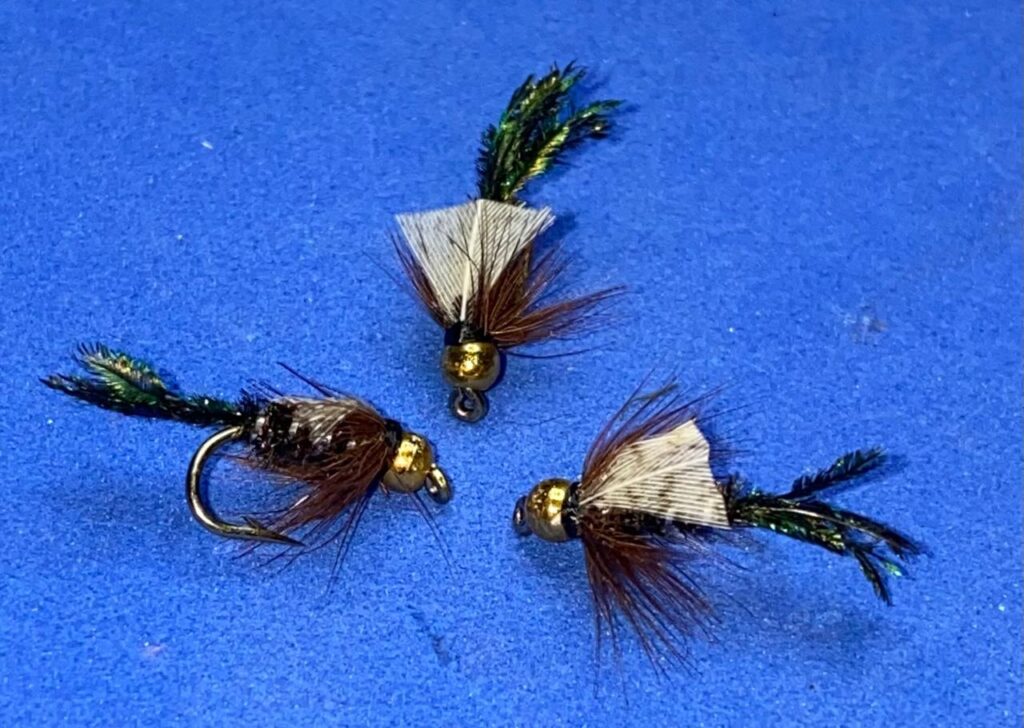
- Bead and weight: beads should match the hook size and sit tight against the eye without wobbling.
- A clear hook eye: the eye must be free of thread, material and cement. If a customer cannot thread tippet through the eye on the riverbank, the fly is useless to them.
Test Durability
A fly that looks perfect in the box still has to survive casting, fish teeth, rocks and the occasional tree. A few simple checks tell you a lot.
The Pull Test
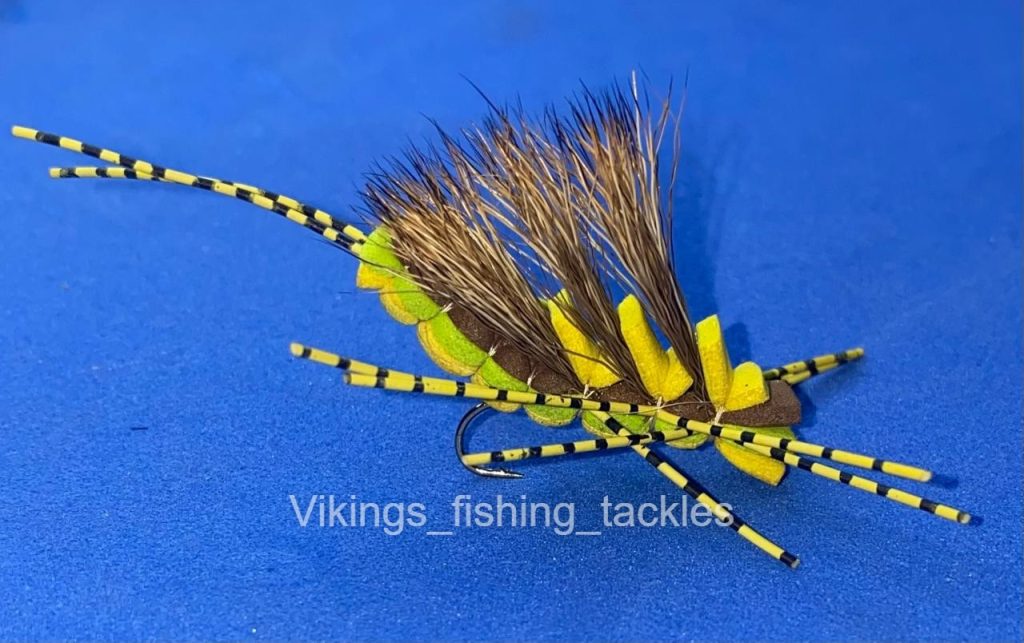
Gently pull the tail, wing, legs and hackle. Nothing should slip, twist or come loose. Rubber legs on terrestrials and bass bugs should be tied in firmly enough that they stay put after repeated casting.
Thread Wraps and Head
Wraps should be neat and tight, with no more thread than the fly needs. The head should be finished with a secure whip finish and sealed with head cement or UV resin. A bulky, unsealed head is often the first place a fly starts to unravel.
Ribbing
Wire or tinsel ribbing does more than add flash. It protects the body from fish teeth. Check that it is wrapped evenly and tied off securely, and that the body underneath does not move when you press on it.
Eyes and Glued Parts
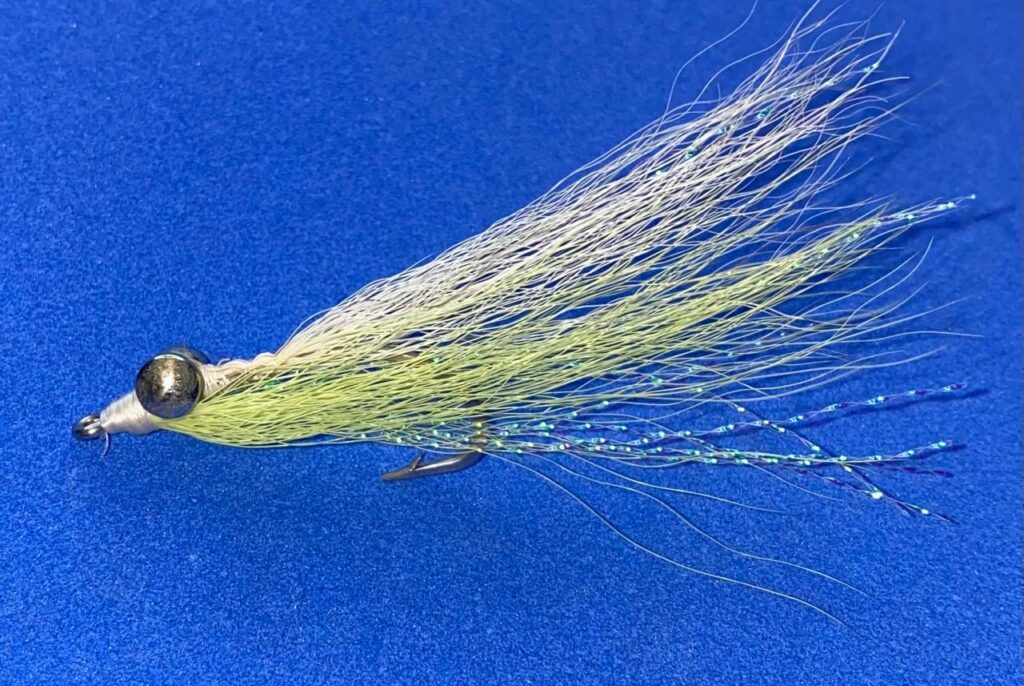
On patterns such as Clouser Minnows and other weighted streamers, dumbbell eyes should be locked in place and not twist on the shank. Glued or epoxy-coated parts should be fully cured, with no tacky surface.
If you can, fish a few samples, or at least soak them in water and work them by hand. A good fly comes out looking the same as it went in.
Look at the Materials
Materials drive both how a fly fishes and how long it lasts. Dry fly hackle should be stiff and webby only where it should be. Dubbing should be well blended and suited to the pattern. Synthetic materials such as foam, flash and rubber legs should be of good quality, because cheap foam tears and cheap legs perish.
Colour is just as important. If a customer bought a pattern last season, they expect the same shade this season. Ask whether the supplier keeps colours consistent from one batch to the next, and compare new stock against an older sample when it arrives.
Consistency Across the Dozen
Lay a full dozen out in a row. Every fly should share the same silhouette, size, colour and weight. Customers pick from the bin assuming the flies are interchangeable. One odd fly in a dozen is a nuisance. Several odd flies in a dozen tell you the supplier is not checking their work.
Check That the Fly Does Its Job
- Dry flies should float and land upright.
- Nymphs should sink at the expected rate. Jig nymphs should ride hook point up.
- Streamers should swim straight on the retrieve without spinning or rolling.
- Foam patterns and bass bugs should stay high in the water and keep their shape after a fish has chewed on them.
Questions to Ask a New Fly Supplier
Before committing to a first order, it is worth asking a few direct questions. The answers tell you how a supplier works, not just what they sell.
- Will you send samples before we place an order?
- Which hook model is used on each pattern?
- Can you tie custom patterns, or tie to our own recipe or sample?
- Do you offer private label options?
- How is each order checked before it is shipped?
- How is shipping quoted, and which couriers do you use?
- What happens if there is a fault in an order?
A supplier who answers these clearly, and is happy to send samples, is usually one you can work with over the long term.
How We Approach Quality at Vikings Fishing Tackles
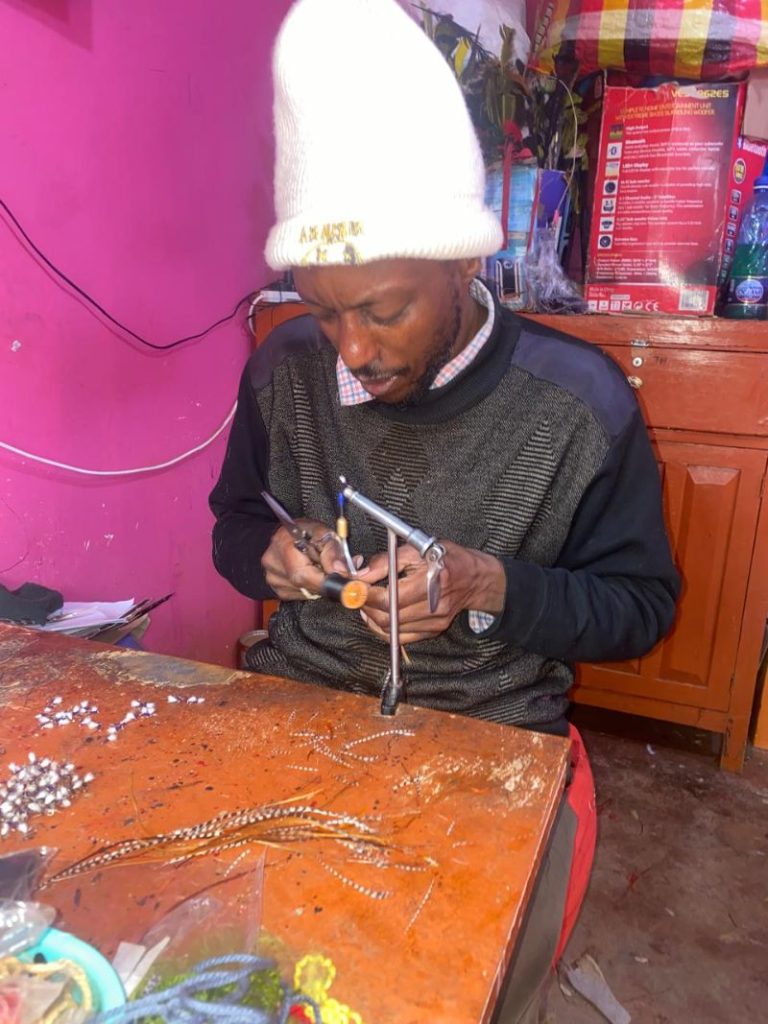
Every Vikings Fishing Tackles fly is 100% hand-tied in our own fly-tying workshop, on hooks from established makers including Daiichi, TMC, Mustad and VMC. Every order is inspected before it leaves the workshop. Flies are sold by the dozen, samples are available on request, and we tie custom patterns and private-label orders for fly shops, guides and brands.
Shipping is quoted separately for each order, based on destination, quantity and courier, so you only pay for what the order actually costs to send.
Frequently Asked Questions
What is the most important thing to check on a wholesale fly?
Start with the hook. A poorly tied body can be spotted and rejected, but a soft, blunt or unbranded hook will cost your customers fish without them knowing why.
How can I test fly durability without fishing it?
Use the pull test on tails, wings and legs, press on the body to check it does not move, check the head is sealed, and soak a few flies in water before working them by hand.
Aren’t all commercial flies hand-tied?
Almost all of them are. The difference between suppliers lies in the training of the tyers, the quality of the hooks and materials, and how carefully each order is checked before it ships.
Should I order samples before a full order?
Yes. Samples let you check hooks, proportions and durability yourself, and show your staff or guides the flies before they reach the bins.
Can a supplier tie to my own pattern?
Many can. We tie custom patterns to a shop’s own recipe or sample, and can match an existing pattern your customers already know.
Request Samples
If you are reviewing suppliers for the coming season, we would be glad to send samples of the patterns you stock most. Request samples or an export quote on our wholesale page, or email info@vikingsfishingtackles.com.